
Photographic records
Images showing relevant roof conditions and affected areas.
ROOFING PROTECTION & HOMEOWNER INFORMATION
Storm damage, insurance questions and roofing warranties can leave property owners with a lot to consider. Start with clear information about inspections, documentation and the protection that may apply to your roofing system.
INFORMED ROOFING DECISIONS
Your roof is exposed to changing weather conditions throughout the year. Hail, strong winds, heavy rain and prolonged sun exposure can all affect roofing materials over time.
Understanding the condition of your roof, knowing what your insurance policy says and keeping the right project documentation can help you make more informed decisions.
This guide explains common considerations. It is general educational information, not an insurance coverage determination, legal advice or a substitute for an inspection by a qualified roofing professional.
AFTER HAIL, WIND OR SEVERE WEATHER
Not all storm damage is immediately visible from the ground. A closer assessment can help identify areas that may need further attention.
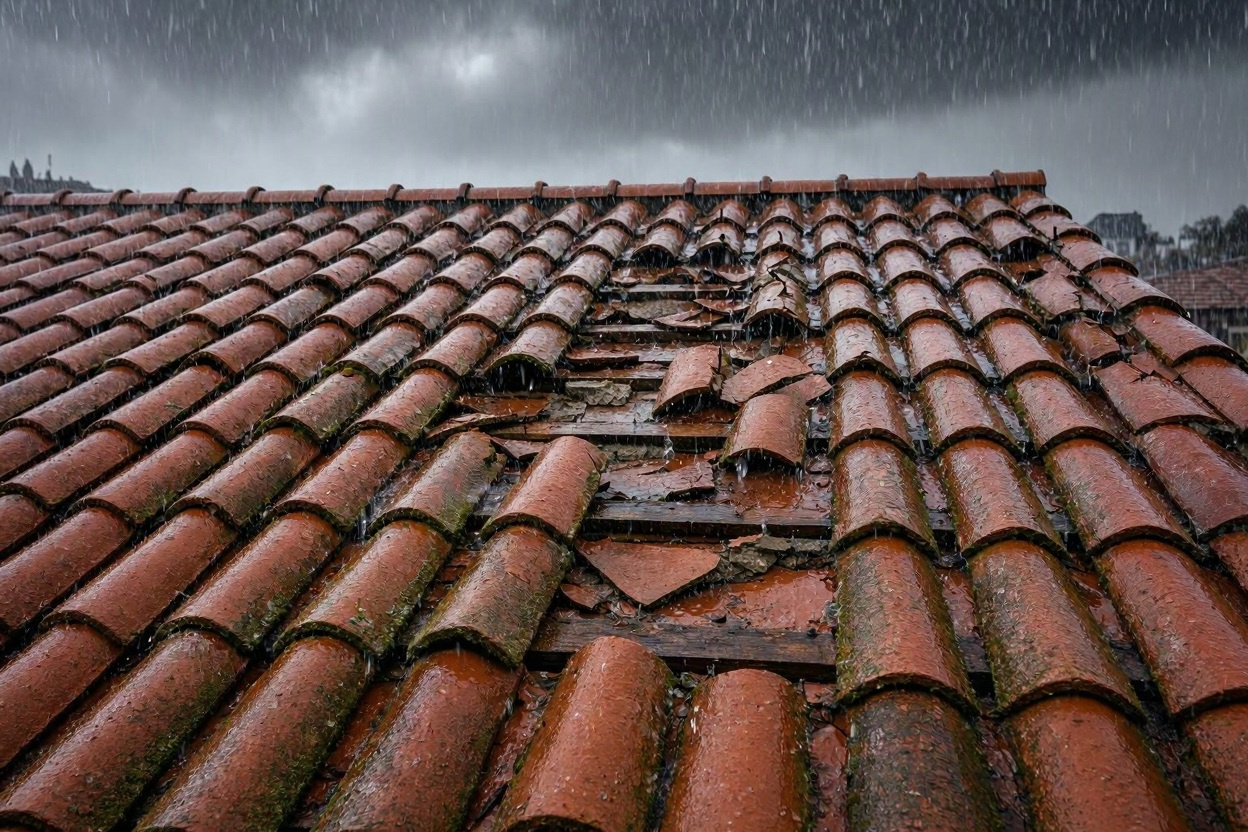 STORM DAMAGE ASSESSMENT
Depending on the roofing system and conditions, an inspection may look for signs such as:
The inspection findings should be considered alongside the roof's age, existing condition, installation details and any previous repairs.
WHY DOCUMENTATION MATTERS
Photographs, written observations and a properly itemised estimate can help property owners understand the visible damage and the work that may be required.
Images showing relevant roof conditions and affected areas.
A written description of observed conditions and concerns.
Itemised descriptions of proposed roofing work and materials.
UNDERSTANDING YOUR POLICY
It may, depending on the circumstances and the terms of the individual policy. There is no universal answer that applies to every roof or every storm.
Homeowners insurance policies can differ in how they address wind, hail and other weather-related damage. The cause of damage, policy wording, deductibles, exclusions and any applicable limitations can all affect a claim.
An inspection can help identify and document visible roofing conditions, but it cannot determine whether an insurer will approve a claim or how much it will pay.
If you believe your roof has been damaged, review your policy and contact your insurance company or agent to understand the appropriate next steps.
A roofing contractor can explain observed roof conditions, provide photographs and prepare an estimate for proposed roofing work. Insurance coverage decisions belong to the insurer under the terms of the policy. A roofing contractor is not a substitute for a licensed insurance professional or public adjuster.
A PRACTICAL WAY FORWARD
Taking sensible steps after severe weather can help you understand the condition of your property and decide what needs attention.
Stay clear of damaged areas, fallen power lines and unstable structures. Avoid climbing onto the roof.
From a safe location, take photographs of visible damage and note when the storm occurred.
Follow your policy's reporting requirements and ask your insurer about the claims process.
A roofing inspection can help identify visible damage and areas requiring further investigation.
Keep copies of inspection findings, estimates, correspondence and relevant photographs.
Review the scope, materials, costs and any necessary repairs before authorising work.
If temporary measures are needed to prevent further damage, use a suitable professional where possible. Keep records of emergency work and related costs, and follow your insurer's instructions.
PROTECTION AFTER INSTALLATION
A new roof may involve more than one type of warranty. Knowing who provides each warranty, what it covers and what conditions apply is important before work begins.
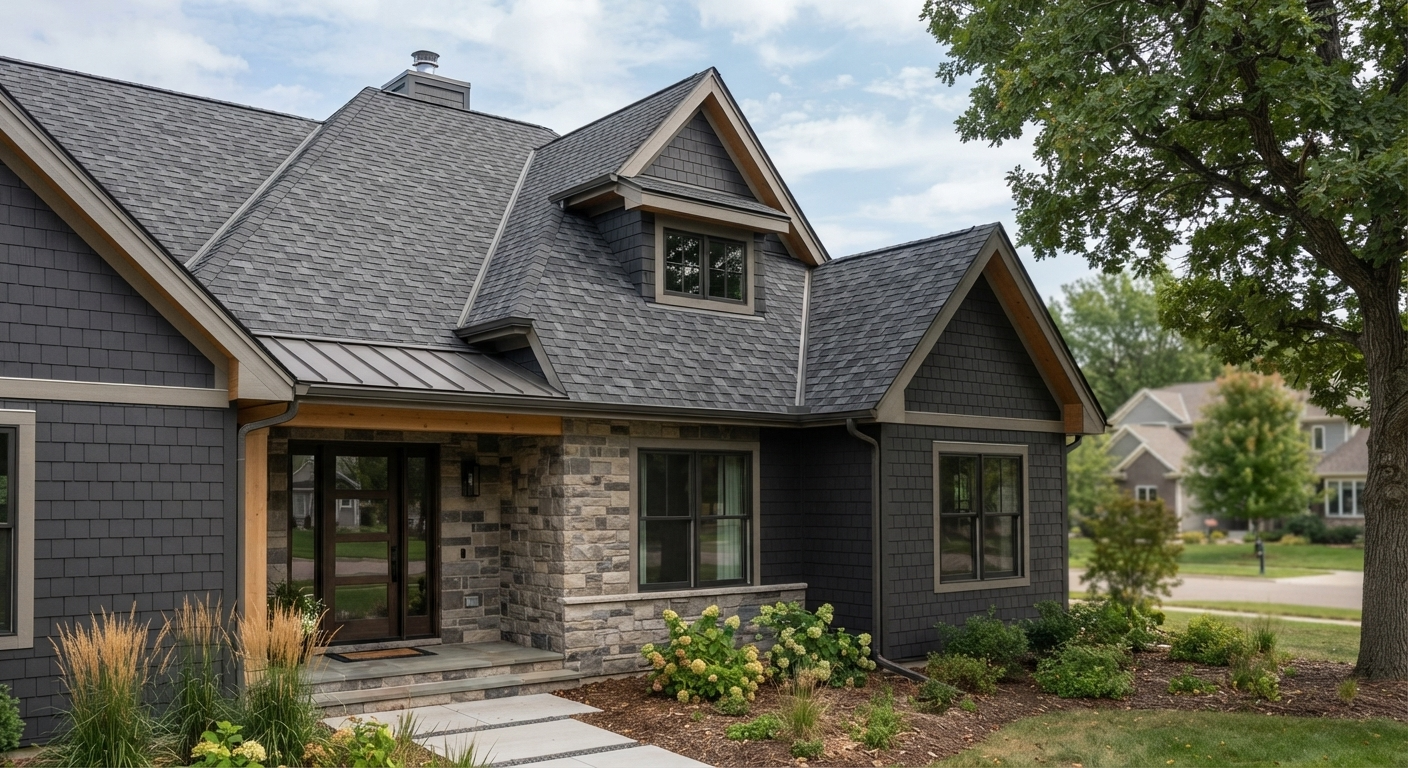 ROOFING DOCUMENTATION & AFTERCARE
Warranty coverage depends on the written terms supplied by the relevant contractor or manufacturer. The duration of a warranty alone does not explain the full extent of the protection.
Before accepting a roofing proposal, ask for the applicable warranty documents and take time to understand the conditions, exclusions and responsibilities involved.
A workmanship warranty relates to the contractor's installation work, subject to the written agreement.
A manufacturer warranty relates to specified roofing products and is governed by the manufacturer's terms.
Some manufacturers offer additional warranty programmes for qualifying roofing systems and approved installations.
Warranties commonly contain exclusions, conditions and limitations. Coverage may be affected by maintenance, unauthorised alterations, installation conditions, severe weather or other factors described in the applicable written terms. Always read the actual warranty documents.
LOOKING AFTER YOUR INVESTMENT
Keeping project records and following suitable maintenance practices can help you understand your roof's condition as time passes.
Once a roofing project is complete, retain the documents that explain what was installed, what work was performed and what warranty terms apply.
If a concern develops later, these records can help establish the installation history and identify the appropriate party to contact.
Inspection and maintenance needs vary by roofing system, building conditions and manufacturer recommendations. Avoid walking on the roof or attempting repairs unless it is safe and appropriate to do so.
COMMON QUESTIONS
Straightforward answers to questions property owners often have after a storm or roofing installation.
Hail damage can affect roofing materials, flashing, gutters and other exterior components. Some damage may not be visible from the ground. A professional inspection can help identify visible signs and determine whether further investigation is appropriate.
If you suspect storm damage, you can contact your insurance company or agent to understand your policy's reporting requirements. A roofing inspection can also help you understand the visible condition of the roof. Follow your insurer's instructions and keep relevant records.
No. A roofing inspection can document observed conditions and provide information about proposed repairs. The insurer makes coverage decisions under the terms of the policy.
Roofing contractors can explain roofing conditions, installation requirements and repair estimates. They should not be treated as insurance representatives or public adjusters. For claim advice or representation, consult an appropriately licensed insurance professional.
A workmanship warranty relates to the contractor's installation work. A manufacturer warranty relates to specified products and is governed by the manufacturer's terms. They are separate documents and may cover different issues.
Warranty periods vary by contractor, manufacturer, product and programme. Check the actual written warranty rather than relying on a general advertised duration.
Not necessarily. Product and workmanship warranties have their own coverage terms and exclusions. Weather-related damage may be treated differently from a product defect or installation issue. Review the relevant warranty documents and insurance policy.
Some warranties may be transferable, while others may restrict transfers or require notification, registration or a fee. Check the specific warranty terms before assuming coverage will transfer.
Take reasonable steps to protect people and property, document the issue and contact the relevant roofing contractor promptly. Keep photographs and records of any temporary measures. The cause of the leak and applicable warranty terms will need to be assessed.
Inspection frequency depends on the roofing system, property conditions, exposure and manufacturer recommendations. Inspections after significant weather events may also be appropriate.
START WITH A CLEARER PICTURE
Whether you're concerned about storm damage, planning a roofing project or trying to understand warranty documents, begin by gathering the information relevant to your property.
Summit Roofing Solutions is a fictional demonstration business. This page is provided for illustrative and educational purposes. It does not represent an actual roofing contractor, insurance service, warranty provider or professional insurance advice. All service descriptions and contact pathways are illustrative. Actual insurance coverage and warranty rights depend on the relevant policy, contract and manufacturer documentation.