
Water Stains Around the Skylight
Discolouration on ceilings, plaster or interior trim near a skylight may indicate water entry. The source needs to be traced before a repair is selected.
A leaking or damaged skylight can affect more than the area directly beneath it. From deteriorated seals and flashing to damaged glazing, identifying the source of the problem is the first step towards protecting your home and restoring the roof's weather protection.
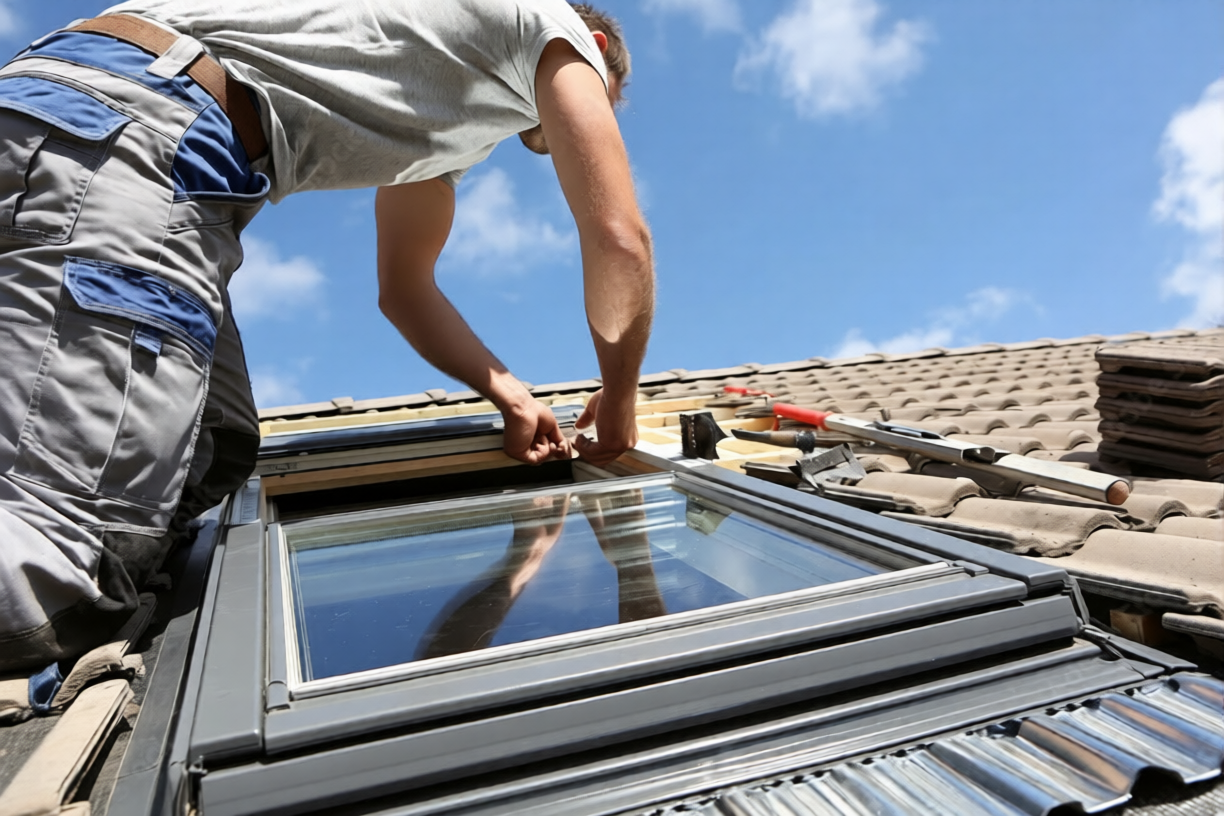
Identify possible sources of water entry.
Review the weatherproofing around the skylight.
Consider damage to visible skylight components.
Assess surrounding roofing materials and drainage.
Skylights introduce natural light into living spaces, but they also create an opening within the roof covering. That opening must be properly integrated with the surrounding roofing materials and protected against rain, wind and changing weather conditions.
Over time, components around a skylight can deteriorate. Flashing may become damaged, seals can lose their effectiveness, and the skylight frame or glazing may develop problems. Roofing materials around the installation can also become damaged or displaced.
Water appearing around a skylight does not always mean the skylight itself is defective. A leak may originate from nearby flashing, roof penetrations, damaged shingles or another part of the roof. Water can travel along roof decking and framing before becoming visible inside the home.
For this reason, an effective repair begins with investigating the surrounding roof area rather than automatically replacing the skylight. The appropriate work depends on the condition of the complete installation and the source of the problem.
Some problems are easy to spot, while others may only become noticeable during heavy rain or when the surrounding materials begin to deteriorate.
Discolouration on ceilings, plaster or interior trim near a skylight may indicate water entry. The source needs to be traced before a repair is selected.
Water entering during rainfall may point to a problem with flashing, seals, glazing or the surrounding roof covering.
Moisture trapped between panes of insulated glazing can indicate that the sealed glazing unit has deteriorated.
Cracks, chips or other visible damage can affect the skylight's ability to provide a secure and weather-resistant barrier.
Flashing that has lifted, corroded or separated from surrounding materials may create a route for water to enter the roof.
Peeling paint, bubbling plaster or damaged trim around a skylight can be signs of recurring moisture exposure.
These symptoms can have more than one cause. If water is entering your home, arrange an inspection rather than assuming that replacing the skylight is the only solution.
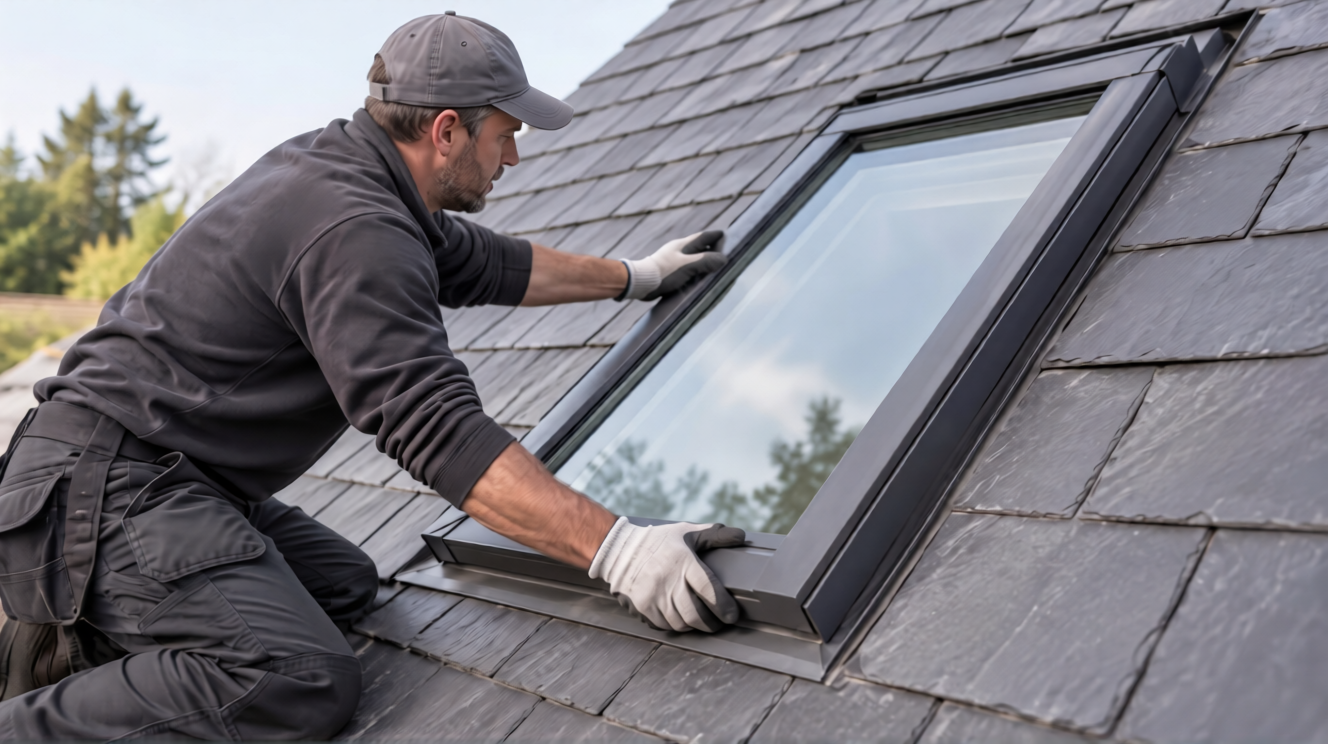
The scope of work depends on the type of skylight, its age, the surrounding roof materials and the condition of the affected components.
Examine the skylight and surrounding roof area to identify possible points of water entry.
Review the flashing system and consider repairs or replacement where components are damaged or no longer properly integrated.
Inspect accessible seals, frame connections and surrounding joints for visible deterioration or separation.
Consider cracks, damaged glazing, failed insulated glass units and other visible problems.
Review nearby shingles, underlayment and other roofing components that may contribute to water entry.
Identify visible interior effects of moisture and discuss any additional work that may be required beyond the roof repair.
A skylight installation is made up of several components. Knowing what each part does can help explain why the source of a leak or other problem is not always immediately obvious.
Flashing directs water away from the skylight opening and helps integrate the unit with the surrounding roof covering. Its design must suit the skylight and roof material.
The glazing is the transparent or translucent section that allows daylight into the property. Its condition affects weather protection, visibility and insulation performance.
The frame supports the glazing and connects the skylight to the roof opening. Seals help limit unwanted water and air movement around the assembly.
Roofing materials around the skylight form part of the same weather-protection system. Damage nearby can allow water to travel towards the opening.
A methodical approach helps establish what is damaged, what needs attention and whether a repair or replacement is the more suitable option.
Discuss the issue, when it occurs and any visible signs of water entry or damage.
Review the skylight, flashing and surrounding roof area to identify possible causes.
Explain the identified issues and consider the appropriate repair or replacement options.
Complete the agreed work, taking account of the skylight, flashing and surrounding roofing materials.
Review the completed work and discuss any remaining considerations or recommended follow-up.
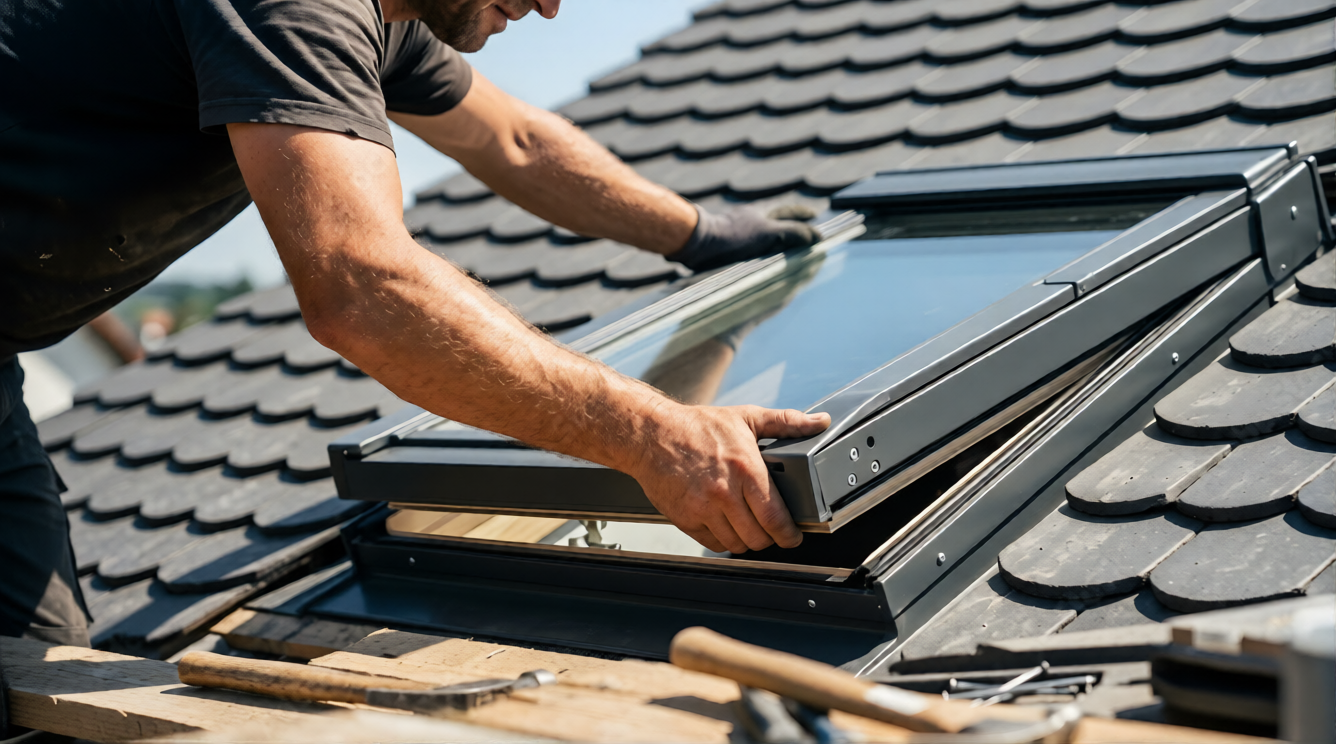
Skylights are exposed to the same changing weather conditions as the rest of the roof. In North Texas, heat, strong storms, wind and occasional hail can all be relevant when assessing a skylight installation.
Repeated exposure to sunlight and high temperatures can affect some seals, finishes and surrounding materials over time.
Strong rainfall can reveal weaknesses in flashing, seals or surrounding roofing components that may not be obvious during dry weather.
Hail or wind-driven debris may damage glazing or nearby roof materials. Visible damage should be assessed before repairs are planned.
Severe winds can affect exposed roof components and may reveal problems with loose or deteriorated installation details.
Not every skylight problem requires a complete replacement. Where the main unit remains in suitable condition, repairing flashing, seals or surrounding roofing materials may be a reasonable option.
Replacement may be worth considering when the glazing is significantly damaged, the frame has deteriorated, the unit is no longer suitable for the opening or repeated problems continue despite previous repairs.
The decision should take account of the skylight's age, condition, availability of compatible components and the condition of the surrounding roof. A repair recommendation should address the underlying issue rather than simply treating the visible symptom.
Helpful answers to common questions about skylight leaks, flashing, repairs and replacement.
A leak may be caused by damaged flashing, deteriorated seals, damaged glazing or problems with the surrounding roof covering. Water can also travel from another part of the roof before appearing around the skylight. An inspection is needed to identify the actual source.
No. If the skylight itself is in suitable condition, the problem may be limited to flashing, seals or surrounding roofing materials. Replacement is more likely to be considered when the unit has significant damage or deterioration.
Depending on its condition and design, flashing may be repairable or may need to be replaced. The correct approach depends on the skylight model, roof material and how the existing installation is integrated.
Condensation can form when warm, moist indoor air contacts a cooler surface. Moisture trapped between glazing layers may indicate a failed insulated glass seal. The location of the condensation helps determine what needs investigation.
Hail can damage some types of skylight glazing and may also affect surrounding roofing materials. After a significant storm, visible cracks, chips or signs of water entry should be assessed.
Applying sealant over a visible gap may not address the underlying problem. Incorrect products or application can interfere with drainage and may only provide a temporary surface covering. The source of the leak should be identified before repair materials are selected.
The time depends on the type of skylight, the source of the problem, roof access and the extent of the repair. A relatively straightforward flashing repair may require less work than replacing a damaged unit or addressing surrounding roof damage.
In many cases, a skylight can be replaced independently of a full roof replacement. Compatibility with the existing opening, roof covering and flashing system needs to be considered before selecting a replacement unit.
Repairing the source of water entry can help prevent further moisture exposure, but damaged ceilings, paint, insulation or interior finishes may need separate attention. Any damp materials should be assessed appropriately.
If you notice visible damage, water entry or displaced surrounding roofing materials after a storm, an inspection is sensible. Avoid climbing onto the roof yourself, especially when surfaces may be wet or damaged.
Whether you have noticed a leak, damaged flashing or visible deterioration, identifying the source of the problem is the first step towards choosing the right solution.
Request a Free EstimateDemonstration website for a fictional roofing business. Service descriptions and images are illustrative and do not represent verified projects, completed installations, credentials or customer results.
Fill out the form and our team will get back to you within 24 hours with a transparent, no-obligation quote. Or, simply call us now.
Mon-Sat: 7am - 7pm
Complete the details below to get started.
Demonstration form only. Enquiries are not transmitted or stored.