ROOFING MATERIAL GUIDE

Tile Roofing

A distinctive roofing option with enduring architectural appeal, available in traditional clay and versatile concrete profiles.

A DISTINCTIVE ROOFING MATERIAL

Architectural character with substantial presence

Tile roofing is recognised for its distinctive shape, texture and visual depth. From curved Mediterranean-inspired profiles to flatter contemporary designs, tile can complement a wide variety of architectural styles.

Clay and concrete tiles are the two most common categories. Although they can look similar from a distance, they differ in composition, manufacturing, weight, finish and product specifications.

Choosing tile involves more than selecting a colour. Roof structure, slope, underlayment, flashing, drainage and installation details all contribute to the performance of the complete roofing system.

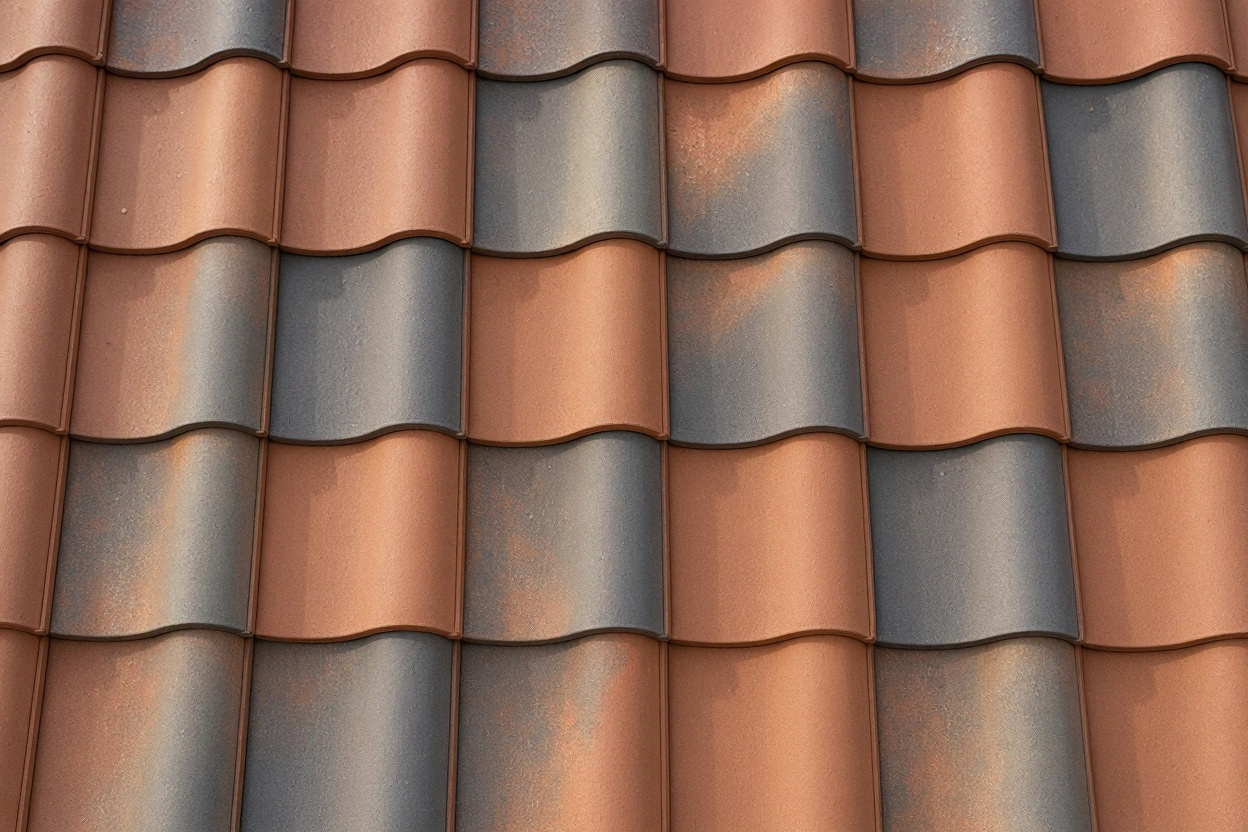
Curved clay barrel tiles installed across a residential roofClay barrel tile roofing

UNDERSTANDING TILE TYPES

Clay and concrete roofing tiles

Both materials offer a range of profiles and finishes, but their characteristics and installation requirements are not identical.

01

Clay Tiles

Clay tiles are made from natural clay that is shaped and fired. Their colour and finish depend on the clay composition, manufacturing process and any applied surface treatment.

  • Traditional natural material
  • Available in curved and flat profiles
  • Colour may be integral to the fired material
  • Individual tiles can be brittle under concentrated impact
02

Concrete Tiles

Concrete tiles are manufactured from a cement-based mixture shaped into roofing profiles. They can be produced in a wide variety of colours, textures and finishes.

  • Broad range of profiles and appearances
  • Available with different surface finishes
  • Substantial roof covering weight
  • Finish and colour characteristics vary by product
03

Interlocking Tile Systems

Many modern clay and concrete products use interlocking arrangements designed to help align tiles and manage water across the roof surface.

  • Designed around a specific installation pattern
  • Profiles influence water drainage
  • Fixing requirements vary by product
  • Compatible components are important

PROFILES AND APPEARANCE

Common tile roofing profiles

Tile shape affects the character of the roof and can influence installation details, water flow and the way the covering sits across the roof structure.

Barrel profile clay roof tilesCURVED PROFILE

Barrel Tiles

Rounded, wave-like tiles often associated with Spanish, Mediterranean and traditional architectural styles.

S-profile roof tiles showing their repeating wave shapeWAVE PROFILE

S-Profile Tiles

Shaped to create a repeating wave pattern, offering a recognisable curved appearance across the roof.

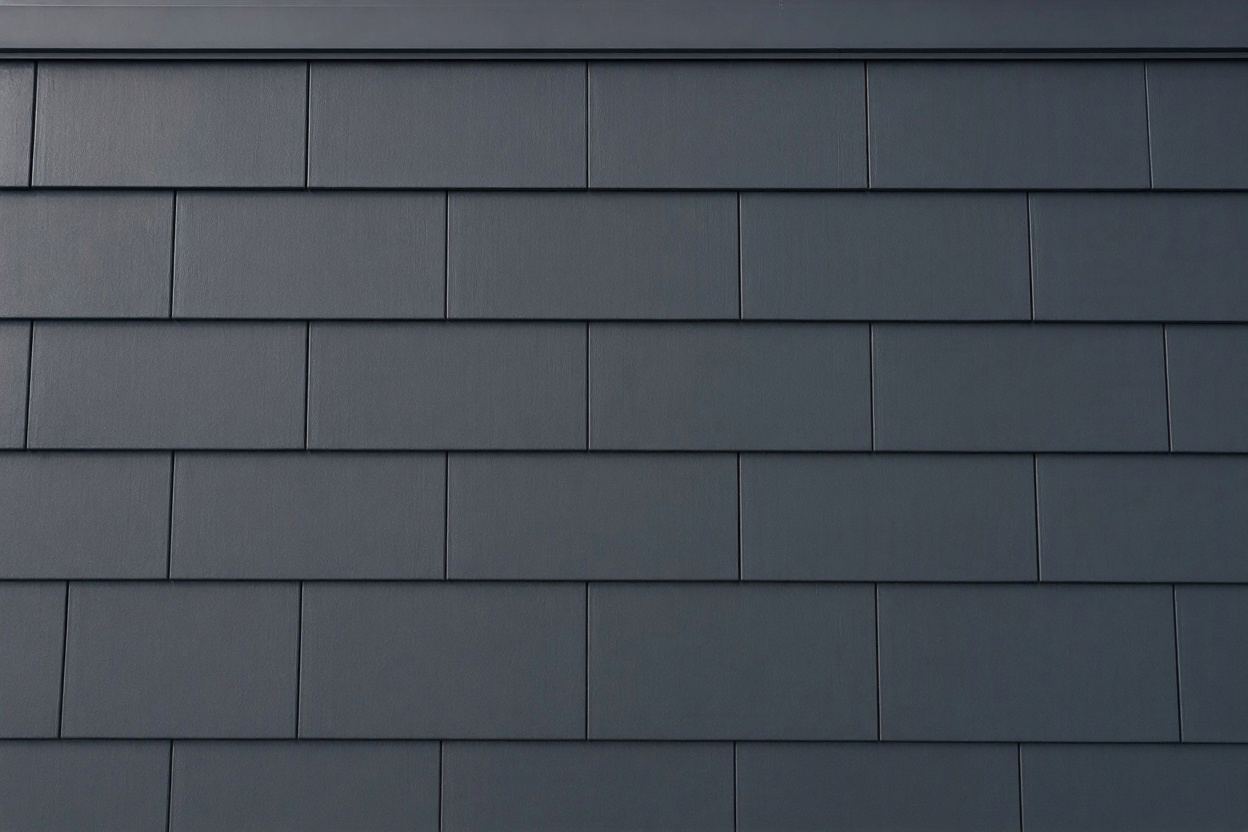
Flat roof tiles installed in a clean overlapping patternLOW-PROFILE DESIGN

Flat Tiles

A more restrained appearance with a relatively flat surface, often used in contemporary and traditional designs.

These are general profile descriptions. Actual tile shapes, dimensions, overlap and fixing arrangements depend on the selected product.

THE BENEFITS AND TRADE-OFFS

What to consider when choosing tile

Tile roofing can provide a distinctive finish and a durable roof covering when correctly specified and maintained. It also introduces structural and installation considerations that should be understood before work begins.

Architectural appearance

Tile profiles and finishes can add texture and visual depth. The selected style should complement the property's architecture.

Roof structure and weight

Tile is generally heavier than many other roofing materials. The roof structure must be assessed to confirm it can support the proposed system.

Installation requirements

Tile spacing, overlap, fixing methods, battens and underlayment must follow the requirements of the selected product.

Impact and breakage

Individual tiles can crack or break under concentrated impact or improper foot traffic. Access and maintenance should be handled carefully.

Project cost

Material selection, roof complexity, structural work, labour and associated components all influence the overall project cost.

THE COMPLETE ROOF ASSEMBLY

What goes beneath a tile roof?

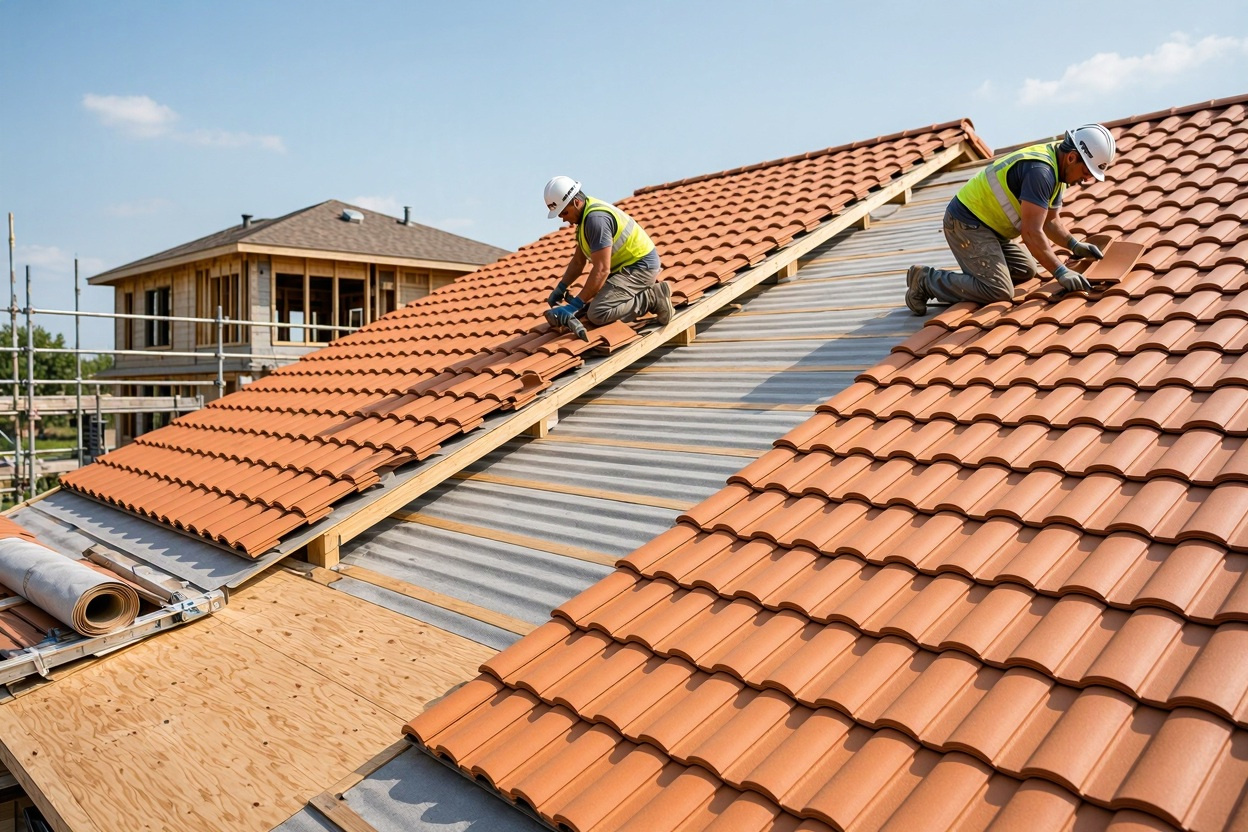
The tiles form the visible outer covering, but several supporting components work together to manage water, support the tiles and protect the building.

01

Roof Structure

The supporting structure must be designed or assessed for the loads associated with the complete tile roofing system.

02

Roof Deck

Where the system uses roof decking, its condition, support and suitability must be checked before installation.

03

Underlayment

Underlayment provides a secondary layer of protection beneath the tiles. Product selection depends on the roof design and applicable installation requirements.

04

Battens and Fixings

Some tile systems use battens and mechanical fixings to position and secure tiles. Requirements vary by product and roof exposure.

05

Flashing and Valleys

Roof intersections, valleys, chimneys, walls and penetrations need correctly detailed flashing to direct water safely away.

06

Ridge and Hip Details

Ridge and hip components complete the roof's upper transitions. Their fixing, sealing and ventilation details depend on the system.

NORTH TEXAS CONSIDERATIONS

Tile roofing in the DFW climate

The Dallas–Fort Worth area experiences hot summers, strong sunlight, heavy rain and occasional severe storms. A tile roof should be selected and installed with these conditions in mind.

Tile roofs can provide a useful thermal mass and shade the roof assembly, but overall indoor comfort also depends on insulation, ventilation, underlayment, roof colour and building design.

Hail resistance should be assessed using product-specific information. Tile materials and profiles vary, and individual tiles may crack or sustain impact damage even when the roof assembly remains in place.

01

Heat and sunlight

Colour, surface finish, ventilation and the roof assembly all influence how the roof manages solar heat.

02

Heavy rainfall

Correct tile overlap, underlayment, flashing and drainage details help manage water during storms.

03

Hail and impact

Review manufacturer impact information and understand how individual tiles may respond to severe weather.

04

Wind exposure

Tile fixing methods, roof geometry and edge details are important considerations in areas exposed to strong winds.

PROTECT YOUR INVESTMENT

Tile roof maintenance

Regular inspections help identify broken tiles, drainage problems and deterioration in the supporting components before damage spreads.

Check for cracked or displaced tiles

Look for visible gaps, slipped tiles and damaged areas, particularly after severe weather.

Inspect flashing and valleys

Roof intersections and drainage channels should be checked for debris, deterioration and signs of water entry.

Keep gutters clear

Remove accumulated leaves and debris from gutters and downspouts to help maintain proper drainage.

Monitor the roof interior

Staining, dampness or visible water entry in the attic or ceiling may indicate a roof-related problem that needs investigation.

Watch for vegetation growth

Moss and other organic growth can develop in damp or shaded areas. Use suitable cleaning methods recommended for the tile product.

Use suitable replacement tiles

Replacement tiles should be compatible with the existing profile, dimensions, material and fixing arrangement.

Tile roofs can be slippery and individual tiles can break under concentrated weight. Do not walk on the roof yourself; arrange a suitable professional inspection when needed.

COMMON QUESTIONS

Tile roofing FAQs

Answers to common questions about clay and concrete tile roofs, installation and maintenance.

What is the difference between clay and concrete tiles?

Clay tiles are made from shaped and fired natural clay. Concrete tiles are manufactured from cement-based mixtures. They differ in composition, weight, finishes and product specifications, so the right choice depends on the property and selected system.

How long does a tile roof last?

Service life varies by tile material, manufacturer, installation, roof exposure and maintenance. The tiles and the underlying waterproofing components can have different service lives. Check the product documentation and warranty terms.

Are tile roofs suitable for hot climates?

Tile can be suitable for hot climates. The roof's overall thermal performance depends on the tile, roof assembly, ventilation, insulation, colour and building design.

Can I replace an existing roof with tile?

Possibly, but the roof structure must first be assessed. Tile is generally heavier than asphalt shingles and many metal systems. Structural suitability should be confirmed before selecting the material.

Do tile roofs leak?

A correctly designed and installed tile roof system is intended to manage water. Leaks can develop when tiles are displaced, flashing fails, underlayment deteriorates or other details are incorrectly installed.

Can individual roof tiles be replaced?

Yes, individual damaged tiles can often be replaced. The replacement must be compatible with the existing tile profile and fixing system, and the surrounding roof should be checked for related damage.

Are tile roofs resistant to hail?

Hail performance varies by tile material, profile, product specification and impact conditions. Tiles can crack or break under severe impact. Review manufacturer documentation and relevant warranty exclusions.

Do tile roofs require regular maintenance?

Yes. Inspections should check for cracked or displaced tiles, deteriorating flashing, drainage problems and signs of water entry. Maintenance requirements depend on the product and property conditions.

PLAN YOUR ROOFING PROJECT

Considering a tile roof?

Understand your property's requirements, compare suitable materials and start planning the scope of your roofing project.