
Widespread Shingle Damage
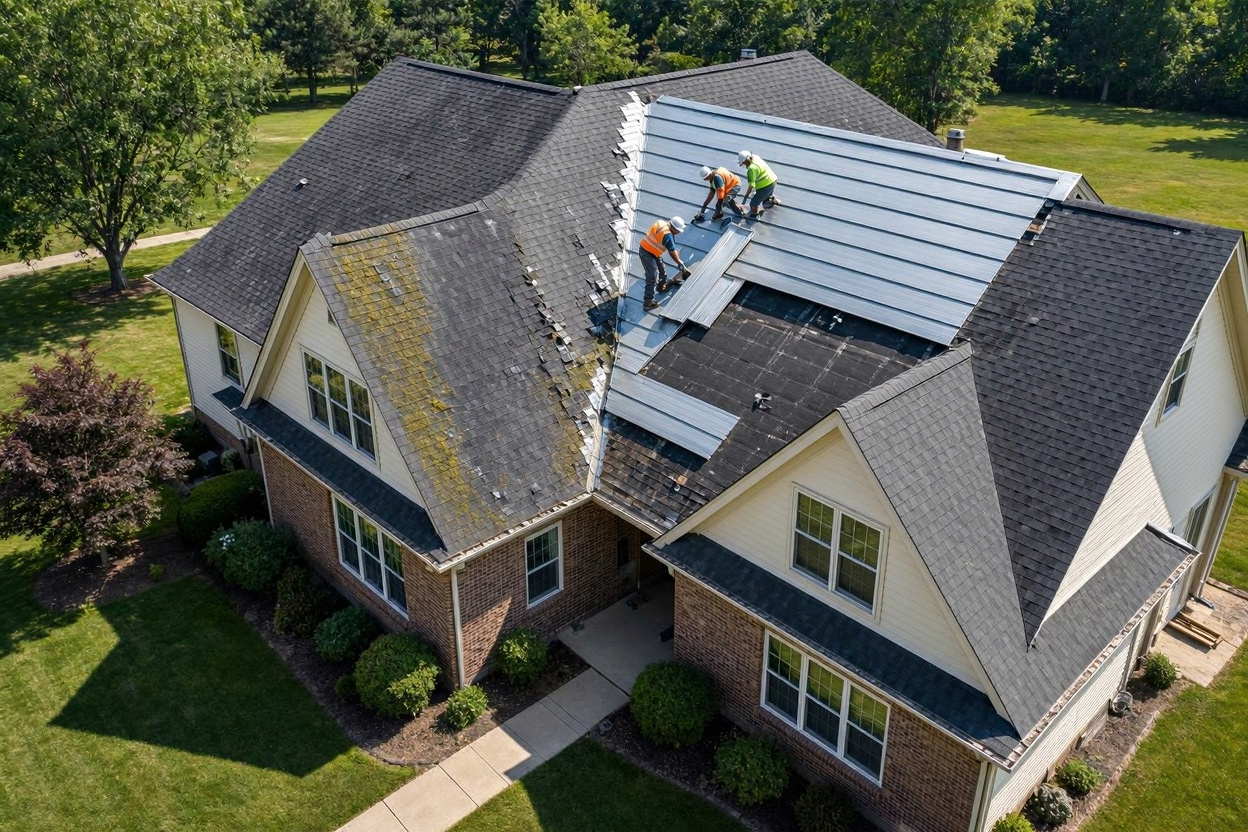
Missing, cracked, curling or deteriorating shingles across several areas of the roof may indicate that the roofing material is approaching the end of its useful life.
Your roof is one of the most important parts of your home's protection against the elements. When years of exposure, storm damage or general deterioration begin to take their toll, a complete roof replacement may be the right long-term solution.
Summit Roofing Solutions explores roofing options designed around your property's structure, appearance and practical requirements. From removing existing materials to installing a new roofing system, understanding each stage helps you make informed decisions about your home.
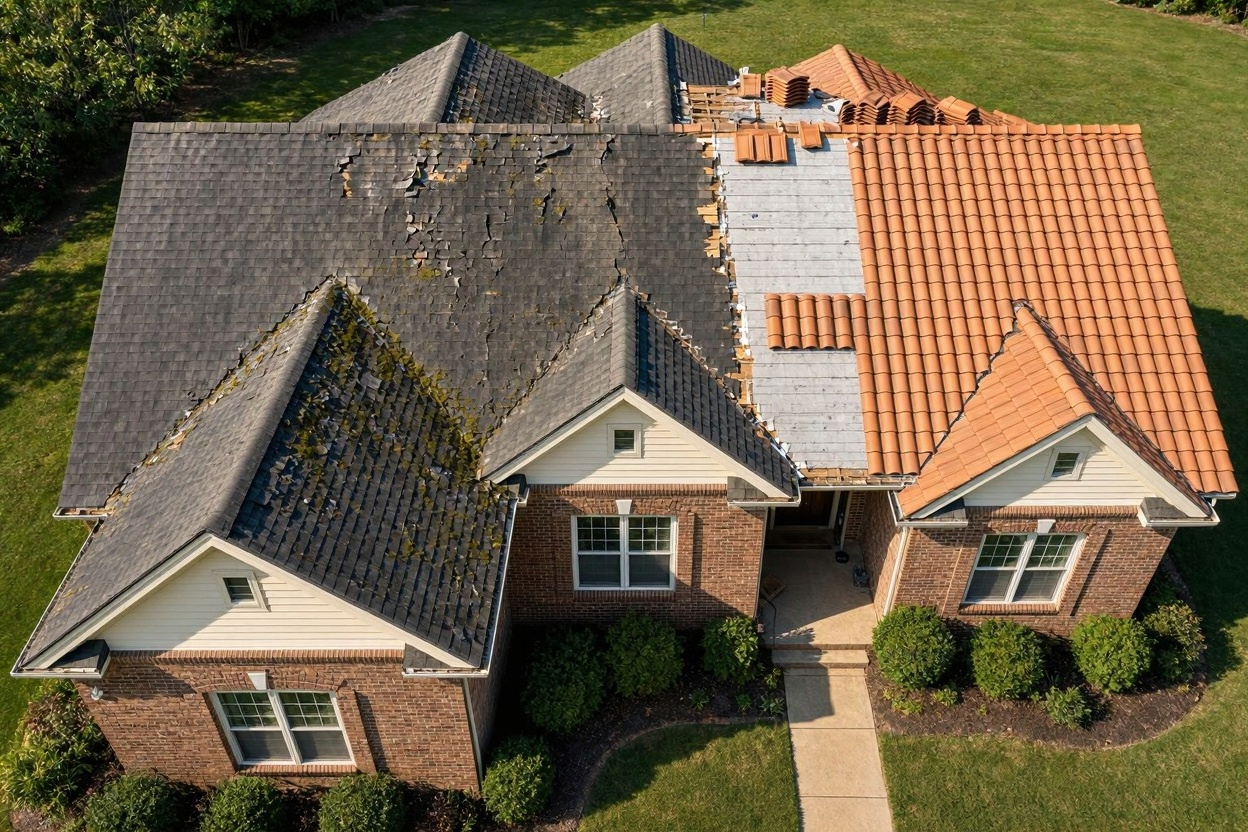
A roof replacement involves more than simply installing new shingles over an existing structure. It is an opportunity to assess the condition of the underlying roof deck, review the components that protect your home from water intrusion and consider whether your current roofing materials still suit your property's needs.
Over time, roofing materials can deteriorate due to prolonged sun exposure, temperature changes, wind, heavy rain and severe weather. Missing or damaged shingles, recurring leaks, visible wear and repeated repair requirements may indicate that the existing roof needs a more comprehensive assessment.
The right replacement approach depends on several factors, including the existing roof's condition, the property's design, the roofing material selected and the requirements of the building. Understanding these considerations can help homeowners compare their options before committing to a project.
Whether you are planning ahead or responding to visible roof damage, learning how the replacement process works is an important first step towards making a well-informed decision.
Explore Your Roof Replacement Options →Roofing problems are not always easy to identify from the ground. However, certain warning signs may indicate that your roof needs a closer inspection and a more comprehensive solution.
Missing, cracked, curling or deteriorating shingles across several areas of the roof may indicate that the roofing material is approaching the end of its useful life.
Repeated leaks, water stains on ceilings and signs of moisture in the attic can point to problems with the roof's protective layers. The underlying cause needs to be identified before deciding on a solution.
Years of exposure to sunlight, wind and changing weather conditions can gradually weaken roofing materials. An older roof may require closer assessment even when obvious damage is not immediately visible.
Severe weather can damage shingles, flashing and other roof components. Hail impacts and wind damage may compromise roofing materials even when the full extent is difficult to see from the ground.
Visible dips or uneven sections may indicate concerns with the roof decking or supporting structure. These conditions should be assessed by a qualified roofing professional.
If problems keep returning in different areas of the roof, it may be worth comparing the long-term costs of continued repairs with the option of replacing the roofing system.
These signs do not automatically mean a complete roof replacement is necessary. A professional assessment can help determine whether targeted repairs or a replacement is the more appropriate option.
A complete roof replacement involves several important stages. Each component contributes to the performance, durability and weather protection of the finished roofing system.
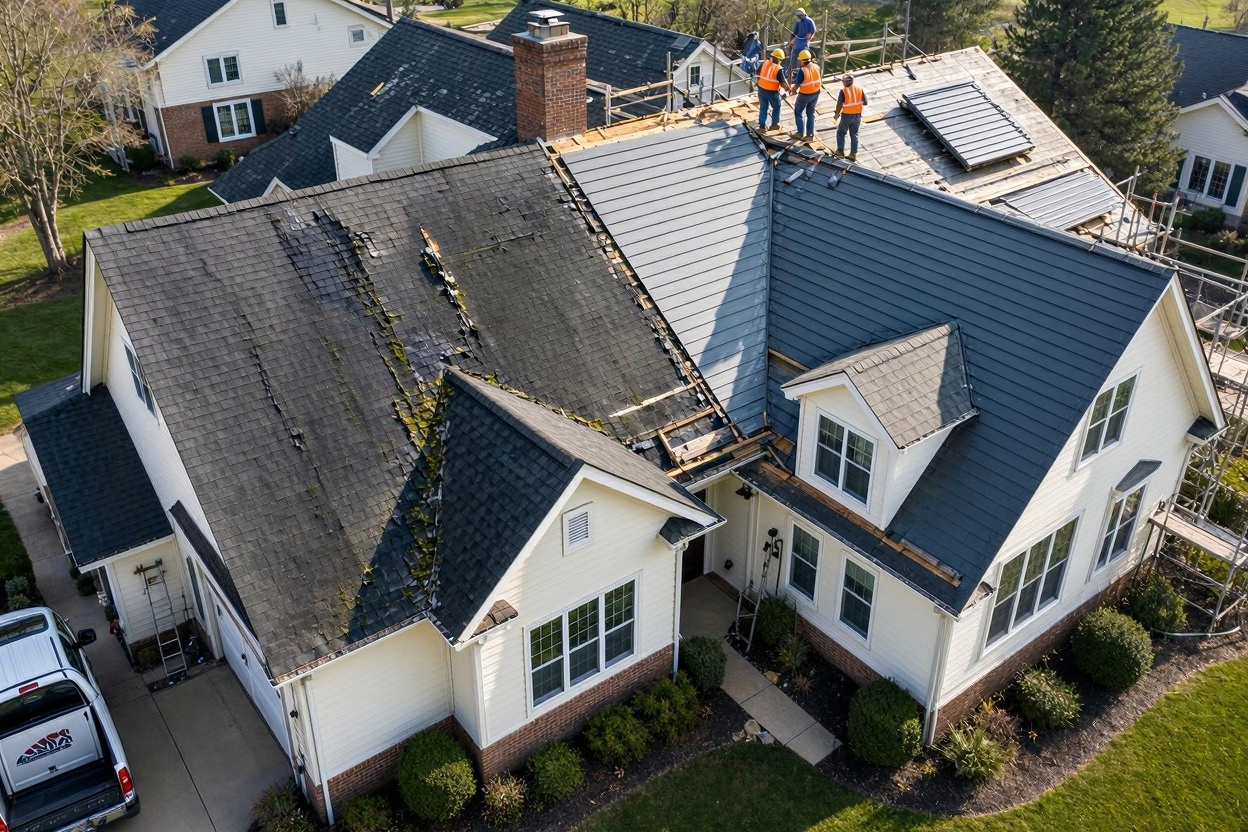
Where required, existing shingles, underlayment and associated roofing materials are removed to expose the underlying roof deck. This allows the condition of the surface to be assessed before new materials are installed.
The exposed decking is examined for signs of moisture damage, deterioration or structural concerns. Damaged sections may need repair or replacement before the new roofing system can be installed.
Protective underlayment is installed over the roof deck. Depending on the roof design and applicable requirements, additional waterproofing protection may be used in vulnerable areas such as valleys, eaves and roof penetrations.
Roof flashing, drip edges and other critical components help direct water away from vulnerable joints and openings. These areas receive attention as part of the overall roofing system.
The selected roofing material is installed according to its manufacturer's instructions and applicable building requirements. Installation details vary depending on the material and roof configuration.
Roof ventilation, ridge details, roof penetrations and finishing components are reviewed to ensure they work appropriately with the replacement roofing system.
The completed work is checked, loose materials and installation debris are cleared, and the surrounding property is reviewed as part of the project close-out.
Understanding what happens at each stage can make planning a roof replacement easier. Every property is different, but a typical replacement project follows a series of important steps.
The existing roof is assessed to identify visible damage, material deterioration, potential problem areas and the overall scope of work. The property's roof design and accessibility are also considered.
Suitable replacement options are considered based on the roof's condition, property requirements, material choices and project scope. The proposed work and associated considerations are then outlined.
The work area is prepared before the existing roofing materials are removed where necessary. The exposed roof deck can then be examined for damage or deterioration that needs attention.
The necessary protective layers, flashing and selected roofing materials are installed. Attention is given to the details that help the completed system manage water, weather exposure and ventilation requirements.
The completed roofing work is reviewed, finishing details are checked and installation debris is cleared from the work area. The project can then be brought to completion.
The roofing material you choose influences the appearance, maintenance requirements and overall performance of your roof. The right option depends on your property's design, budget, roof structure and personal preferences.
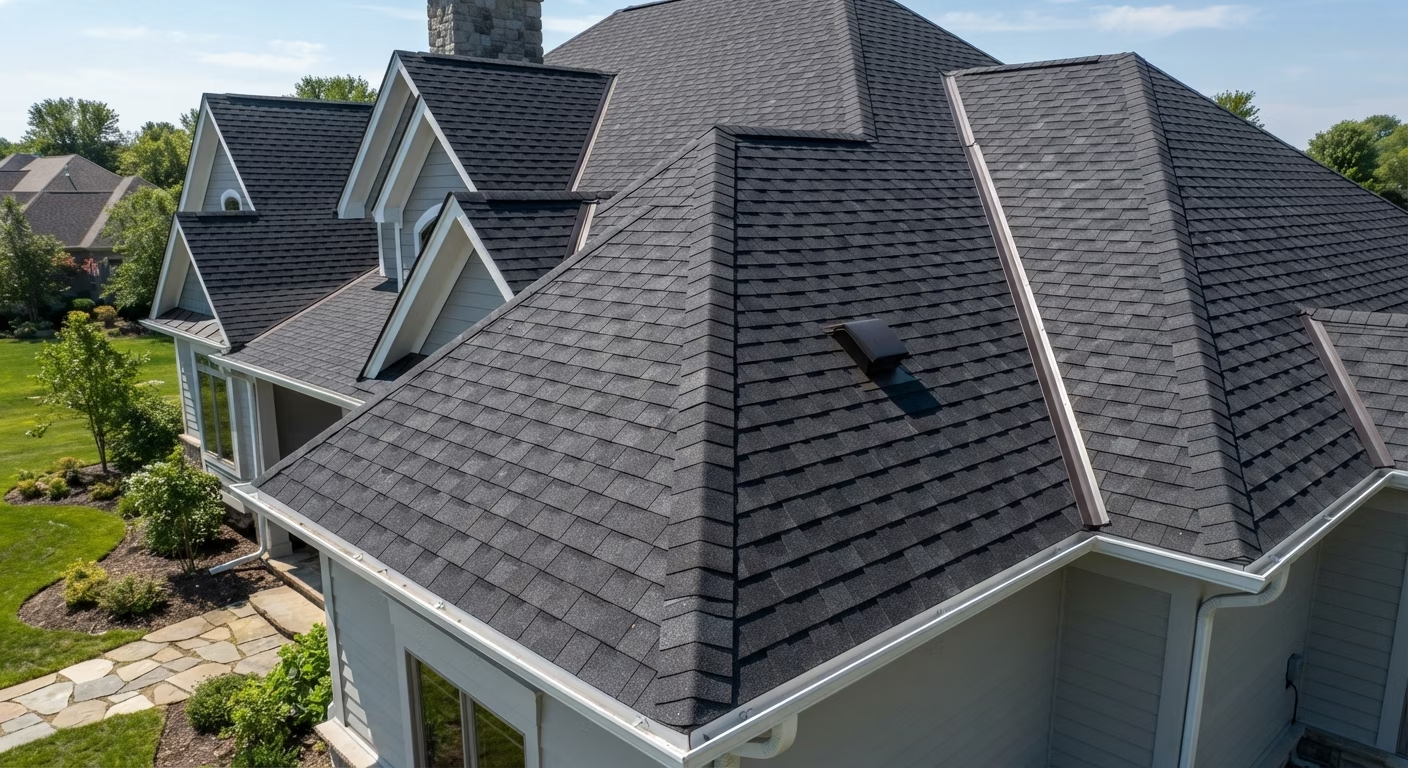
Asphalt shingles are a widely used residential roofing option, offering a variety of colours, profiles and finishes. Architectural shingles provide a dimensional appearance and can complement many different home styles.
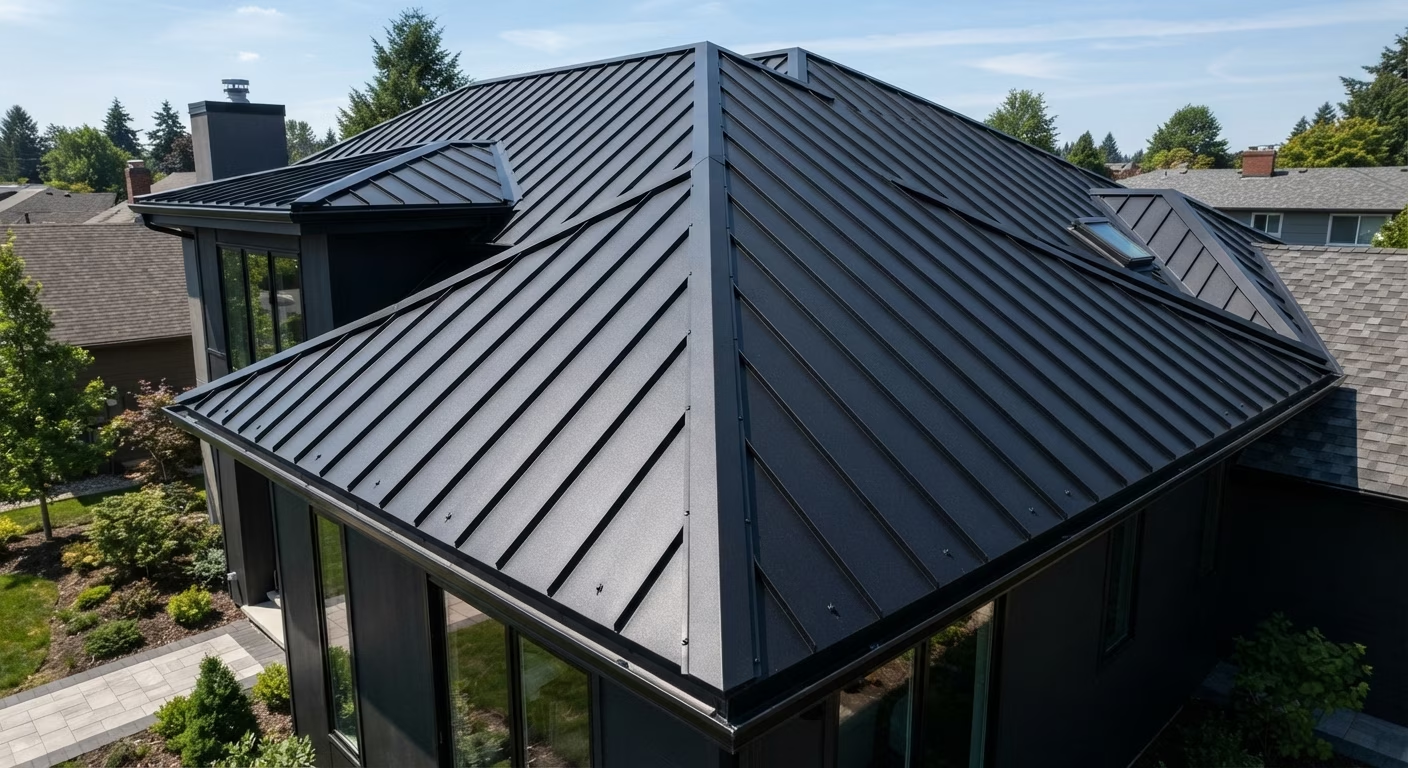
Metal roofing offers a clean, distinctive appearance and is available in different profiles, finishes and colours. Standing seam systems are one option for homeowners considering a modern roofing design.
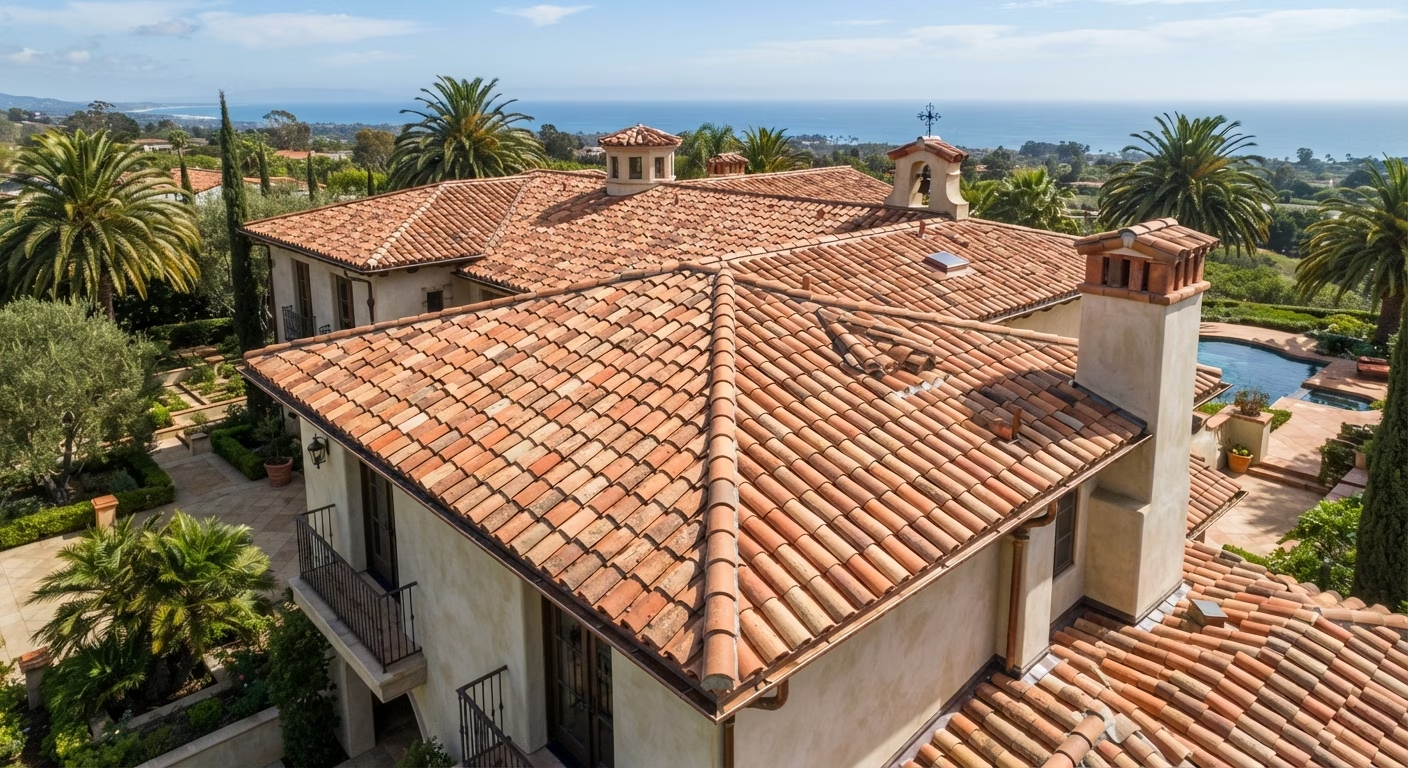
Tile roofing is known for its distinctive architectural character and textured appearance. Clay and concrete tiles are available in different shapes and finishes, although the roof structure must be suitable for their weight.
Material suitability depends on the property's roof structure, design, local building requirements and installation specifications. A professional assessment can help identify appropriate options.
North Texas weather can place considerable demands on residential roofing systems. Choosing suitable materials and understanding how local weather conditions affect your roof are important parts of planning a replacement.
Extended periods of high temperatures and direct sunlight can contribute to the ageing of roofing materials. Material selection, ventilation and installation details all play a role in how a roof performs over time.
Thunderstorms and hail can damage shingles, metal roofing, flashing and other roof components. Following severe weather, a closer assessment can help identify visible damage and potential areas of concern.
Wind-driven rain and strong gusts can place stress on roofing materials and vulnerable roof details. Proper installation, flashing and water-management components are important considerations.
Balanced attic ventilation helps manage heat and moisture within the roof space. When replacing a roof, it is worth reviewing whether the existing intake and exhaust ventilation arrangements are appropriate.
Roofing materials are only one part of a roof's overall performance. Underlayment, flashing, ventilation, roof design and installation quality also influence how the system responds to local weather conditions.
Not every roofing problem requires a complete replacement. In some situations, a targeted repair may resolve the issue. Understanding the condition of your existing roof is key to choosing an appropriate solution.
Addressing specific areas of damage or deterioration.
Considering a new roofing system for more widespread problems.
The distinction is not always obvious. A roof's age alone does not determine whether it needs replacement. The extent of damage, condition of the materials and overall roofing system should all be considered before making a decision.
Planning a roof replacement can raise plenty of questions. Here are some useful things to understand before starting a residential roofing project.
Widespread shingle deterioration, recurring leaks, visible sagging, storm damage and repeated repair requirements can all indicate that a roof needs closer attention. The age of the roofing materials is another consideration, but it should not be the only deciding factor. An assessment of the roof's overall condition can help establish whether repairs or a complete replacement are more appropriate.
The duration depends on the size and complexity of the roof, the materials being installed, the condition of the existing decking and prevailing weather conditions. A straightforward residential project may take less time than a larger or more complex roof. A project-specific estimate should outline the anticipated schedule.
In some circumstances, building requirements and roofing manufacturer specifications may permit an additional layer of shingles. However, this is not suitable for every roof. Existing layers, roof condition, structural considerations and local code requirements must be reviewed before deciding whether an overlay is appropriate or a complete tear-off is necessary.
Common residential options include asphalt shingles, metal roofing and tile roofing. Each has different characteristics, appearance, installation requirements and cost considerations. The property's structure, roof design and your preferences should all be considered when comparing materials.
Explore ourasphalt shingles,metal roofing andtile roofing guides for more information.
Not necessarily. The roof decking is inspected when the existing roofing materials have been removed. If sections show signs of moisture damage, deterioration or other problems, repairs or replacement of those sections may be required before the new roofing materials are installed.
No. The appropriate solution depends on the type, severity and extent of the damage. Some roofs may only require targeted repairs, while more extensive damage may justify considering replacement. A proper assessment is important before deciding on the scope of work.
Compare the proposed roofing materials, removal and disposal arrangements, underlayment, flashing, ventilation details, decking allowances, project scope and any stated exclusions. Make sure you understand what is included in each estimate rather than comparing the final price alone.
A change in roofing material may be possible, but it depends on the roof's design, structural capacity, installation requirements and applicable building regulations. For example, heavier tile roofing may require structural considerations that do not apply to every asphalt shingle roof. Suitability should be established before selecting a different system.
Fill out the form and our team will get back to you within 24 hours with a transparent, no-obligation quote. Or, simply call us now.
Mon-Sat: 7am - 7pm
Complete the details below to get started.
Demonstration form only. Enquiries are not transmitted or stored.